Had kid with autism join our class last month. Completely changed how I teach. In good way actually.
Realized most my lessons only worked for kids who could sit still and listen and follow verbal instructions. That's like maybe half the kids on good day.
What Didn't Work Before
Standing up front talking while kids sat in circle. Some kids can't do that. Just can't.
Had boy with ADHD who lasted maybe two minutes sitting before he had to move. Kept getting in trouble for interrupting. For fidgeting. For not paying attention.
Wasn't his fault. Was mine for expecting all kids learn same way.
Girl with sensory issues couldn't handle loud music during worship time. Would cover ears and rock back and forth. Other kids stared. She felt different.
Kid with Down syndrome got left behind during activities because I moved too fast. Didn't give enough time for him process instructions.
Was excluding kids without meaning to. Just didn't know better.
What Started Changing Things
Mom pulled me aside after class. Said her son loved coming but struggled keeping up. Asked if could make some adjustments.
Felt terrible. Hadn't even noticed he was struggling because he never complained. Just quietly didn't participate in half the activities.
Started researching. Talking to parents. Asking special ed teachers at local school for advice.
Realized inclusive teaching isn't about special accommodations for some kids. It's about teaching in ways that work for all kids.
When you make lessons accessible for kids with special needs you actually make them better for everyone.
Visual Schedules Changed Everything
Put up simple picture schedule showing what we doing each week. Opening game. Story time. Craft. Snack. Closing.
Kid with autism relaxed immediately. Knew what expect. Knew what coming next. Could prepare himself for transitions.
But also helped other kids. Everyone likes knowing what's happening. Reduces anxiety for all of them.
Now kids check schedule when they come in. Ask questions about what we doing. Feel more in control of their time.
Takes two minutes make schedule. Changes whole atmosphere.
Give Multiple Ways Learn Same Thing
Used to just tell Bible story while kids sat and listened. Now do story multiple ways same lesson.
Tell it. Act it out. Show pictures. Let kids draw while listening. Have props they can touch.
Kid with auditory processing issues couldn't follow story just from hearing it. But give him pictures and props? Totally got it.
Girl who couldn't sit still could listen better while drawing. Hands busy meant brain could focus.
Boy with Down syndrome needed see it acted out to understand. Just words didn't stick.
Turns out lots of kids learn better with multiple approaches. Not just special needs kids.
Movement Breaks Aren't Optional
Used to think movement breaks were rewards for getting through lesson. Now know they're necessary for learning to happen.
Every ten minutes or so we move. Stretch. Dance. Do actions. Something physical.
Kid with ADHD doesn't get in trouble anymore because movement is built into lesson. Expected and planned for.
Other kids less wiggly and distracted because getting movement needs met regularly.
Bible story about David dancing? We all dance. Story about walls of Jericho falling? We march around room. Story about Jesus calming storm? We make big movements for wind and waves then get small and quiet.
Makes stories more memorable for everyone. Not just accommodation. Better teaching.
Sensory Considerations Matter
Dimmed overhead lights. Too bright for some kids. Gave me headache too honestly.
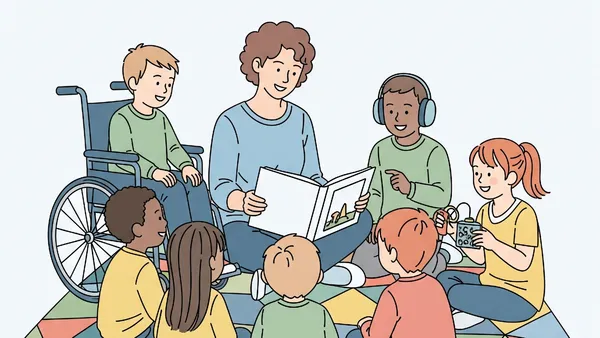
Keep volume reasonable during music time. Offer noise canceling headphones for kids who need them. Several kids started using them not just girl with sensory issues.
Have fidgets available. Squishy balls. Textured toys. Things kids can hold and manipulate while listening.
Thought fidgets would distract kids. Opposite happened. Kids who need them can focus better. Kids who don't need them don't bother with them.
Set up quiet corner with pillows and soft lighting. Kid can go there when overwhelmed. No questions asked. Come back when ready.
Lots of kids use quiet corner sometimes. Not just special needs kids. Everyone gets overwhelmed sometimes.
Simplify Instructions
Used to give long complicated explanations for activities. Lost half the class immediately.
Now keep instructions simple. Three steps maximum. Show example. Repeat if needed.
"We're going to draw our favorite Bible story. Pick your paper. Choose your colors. Start drawing."
That's it. Don't need paragraph explanation.
Kid with intellectual disability can follow three steps. Can't follow seven steps.
But honestly most six-year-olds can't follow seven steps either. Simpler is better for everyone.
Flexible Seating Options
Got rid of everyone sitting in circle on floor rule. Some kids sit in chairs. Some stand. Some lie on stomachs. Some pace in back.
As long as not disrupting others they can position themselves however helps them learn.
Kid with autism stands in back every week. Can focus better when standing. Fine by me.
Girl with anxiety sits in chair near door. Makes her feel safe having exit nearby. She participates more now.
Boy with ADHD paces along back wall during story. Listening whole time. Just needs to move while listening.
Other kids sometimes ask sit in chair or stand. Sure. Whatever works.
Partner System Works
Pair kids up for activities. Buddy system.
Kid with Down syndrome has buddy who helps explain instructions and works alongside him. Doesn't do it for him. Just supports.
Kid with social anxiety has buddy who makes sure he's included in group activities. Helps him feel less alone.
Buddies rotate so not same kids always helping. Everyone gets chance be helper and be helped.
Teaches other kids about helping and including. About noticing when someone needs support.
Also just good for building friendships.
Extra Time Isn't Cheating
Some kids need more time complete activities. That's okay.
Used to rush everyone finish at same time. Meant some kids never finished anything. Felt like failures.
Now give time ranges. "We have about ten minutes for this. Some people will finish faster. Some will need whole time. Both fine."
Kid who needs extra time doesn't feel rushed or behind. Takes what he needs.
Fast finishers can add details or help clean up or read book quietly.
Nobody stressed. Everyone completes work at own pace.
What Actually Use
Some curriculum better than others for inclusive teaching.
Gospel Project has good visual aids built in. Pictures and graphics that help all kids follow along.
Kids Sunday School Place offers modifications for different learning needs right in teacher guide. Don't have figure it all out yourself.
Grow Curriculum designed with variety of learning styles in mind. Activities aren't one-size-fits-all. Multiple options for engagement. Parent resources include tips for kids with different needs which helps families continue learning at home.
DIG IN from Group has lots of hands-on active learning. Less sitting and listening more doing. Works better for kids who need movement.
Whatever use make sure allows flexibility. Rigid curriculum that requires all kids do exact same thing exact same way doesn't work.
Questions Parents Ask
"Will my child slow down the class?"
No. Your child makes class better. Forces me teach in more creative ways that benefit everyone.
"Should we tell other kids about diagnosis?"
Up to you. I talk about how everyone learns differently. Some need glasses see. Some need fidgets focus. Some need extra time process. All normal.
"What if my child has meltdown?"
We handle it. Remove from situation if needed. Let them calm down. Try again when ready. No shame. No punishment.
"Will they learn as much as other kids?"
They'll learn what they're ready learn. Might look different than other kids learning. Still valuable. Still important.
What Changed For Me
I'm better teacher now. For all kids not just special needs kids.
Lessons more engaging. More active. More varied. Less boring sitting and listening.
Kids with special needs taught me to be flexible. Creative. Patient. Those skills help with every kid.
Also learned to see each kid as individual with unique needs. Not just group of kids who should all learn same way.
Some kids need movement. Some need quiet. Some need visual aids. Some need repetition. Some need time process.
That's not problem to fix. That's just how humans learn.
Real Talk
It's more work. Have to think through lessons differently. Prepare multiple options. Stay flexible when plans change.
Some weeks nail it. Other weeks still figuring it out.
Had kid with severe autism join recently. Completely nonverbal. Honestly don't know if reaching him. He sits in quiet corner most of time. Sometimes looks at pictures. Sometimes doesn't.
But he keeps coming. Mom says he asks come to church. That's something.
Maybe he's learning in ways can't see. Maybe just being in community is the lesson right now.
Don't have all answers. Still learning. Still making mistakes.
But kids with special needs deserve be included. Deserve learn about Jesus too. Deserve feel like they belong.
Worth the extra effort figure out how make that happen.
For all of them.